Digital HR Trends Every Small Business Should Know
A practical UK guide to the digital HR trends that matter for small businesses: HR automation, self-service, digital onboarding, and better people data. Learn how to save time, reduce admin, and support compliance without overcomplicating HR.
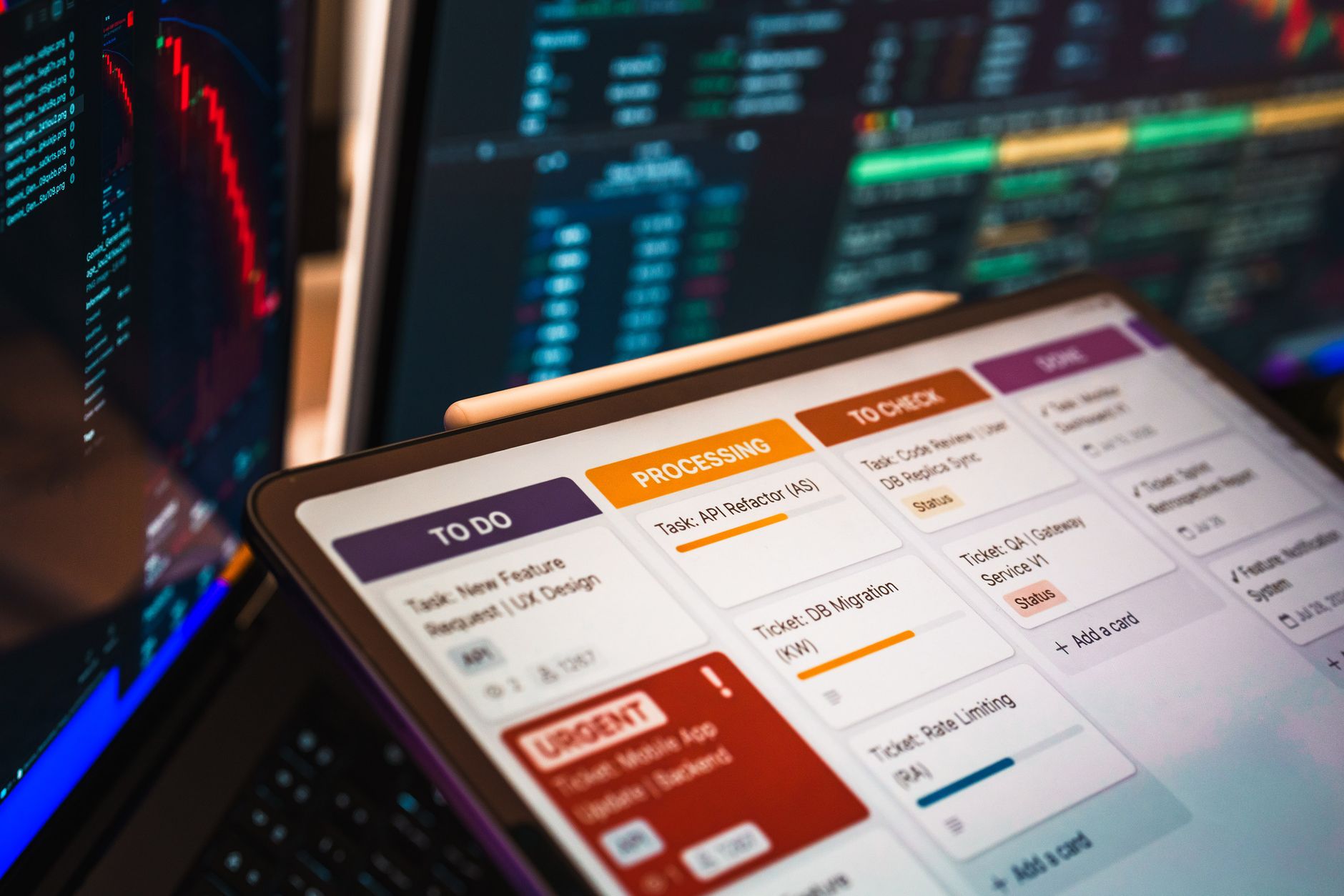
What digital HR means for small businesses
Digital HR is the use of technology to manage everyday people processes more efficiently. For a small business, that might mean automating holiday approvals, giving employees access to their own details, or storing contracts and policies in one secure place.
The key point is that digital HR should make work easier, not more complicated. If it saves time, improves accuracy, and helps your team follow the same process every time, it is doing its job. If it creates extra logins, confusing workflows, or systems nobody uses, it is probably too much for where your business is right now.
The digital HR trends shaping SME people management
The digital HR trends that matter most to small businesses are the ones that reduce admin, improve visibility, and create a better experience for employees and managers. In practice, that usually means automation, self-service, and digital processes that remove delays from everyday HR tasks.
If you are trying to work out what is worth paying attention to, focus on the trends that help your business stay organised as it grows. For a broader view of when external support starts to make sense, you may also find our guide on when a small business should outsource HR useful.
- HR automation for repetitive tasks
- Employee self-service for routine updates
- Digital onboarding and offboarding
- Centralised people data and reporting
- Cloud-based document storage and access
HR automation for repetitive admin
The best automation is usually invisible to employees. They just notice that things happen on time: reminders go out, tasks are completed, and the right documents are in place. That is especially helpful for growing teams where managers are already stretched and cannot keep every deadline in their head.
For many SMEs, this is the point where HR stops being a set of ad hoc tasks and starts becoming a manageable system. That shift does not need a big platform rollout. Often, it begins with just one or two automated processes that save time straight away.
Employee self-service for faster updates and fewer bottlenecks
Self-service should still be easy to use. The goal is not to push work onto employees; it is to remove unnecessary back-and-forth. The clearest systems are the ones people can use quickly, without training or repeated reminders.
If you are trying to understand whether this kind of setup suits a smaller team, it can help to compare different support models in our article on in-house HR versus outsourced HR. For businesses without a dedicated people team, self-service can be a very practical bridge between manual admin and a more organised HR function.
Digital onboarding and offboarding for a smoother employee experience
For small businesses, this consistency is especially useful because onboarding and offboarding often happen at the same time as everything else. A digital process keeps key tasks visible, reduces the chance of missed steps, and gives managers a clearer handover.
This is also where practical HR support can make a real difference. Flora HR helps SMEs put better processes in place, from HR operations and documentation to more joined-up support for growing teams.
How digital HR helps with compliance, consistency, and visibility
Better visibility also means better decisions. If you can see who is due a probation review, which policies have been issued, or where absence patterns are emerging, you are in a stronger position to act early. This is one of the main reasons digital HR trends are becoming so important for SMEs: they turn people information into something usable.
If you want to talk through the right approach for your business, Flora HR offers supportive, plain-English guidance for small teams that want modern HR without the complexity of a full internal function.
Practical first steps to modernise HR without overcomplicating it
If your team is growing, it can also help to think beyond the software itself. Digital HR works best when the process behind it is clear. That is why many businesses look for support from a trusted HR partner rather than trying to piece everything together alone. You can contact Flora HR to discuss the right next step if you want a practical plan that suits your business size and pace.
For founders and managers who want expert help without building an in-house HR team, Flora HR can help shape the right mix of systems, support, and processes so HR feels manageable as you scale.
Frequently Asked Questions
What are the most useful digital HR trends for a small business?
The most useful trends are the ones that save time and reduce admin: HR automation, employee self-service, digital onboarding, and better people data. These help small businesses work more consistently without needing a large internal HR team.
Do small businesses need expensive HR software to benefit from digital HR?
Not necessarily. Many small businesses start with simple changes such as digital forms, shared systems, automated reminders, or a better way to store documents. The best solution is the one that fits your team size and processes.
How does digital HR support compliance?
Digital HR can improve consistency, record-keeping, and visibility, which makes it easier to manage HR processes properly. It does not replace the need for good judgement, but it can reduce the risk of missed steps or scattered information.
Can Flora HR help us choose the right HR approach?
Yes. Flora HR supports small businesses that want practical HR guidance, better processes, and more manageable people operations. If you are unsure where to start, Flora HR can help you work out what will make the biggest difference first.

Shazia Khokhar
Founder, Flora HR
Need help navigating these changes for your business? Flora HR provides expert, hands-on HR support tailored to small and growing businesses across the UK.
Book a Free ConsultationRelated articles
Why SMEs Are Automating Annual Leave Management
Manual holiday tracking can work for a while, but it quickly becomes messy as teams grow. This article explains why UK SMEs are automating annual leave management, from fewer admin errors and clearer cover planning to smoother approvals, better payroll accuracy, and a better employee experience.
How HR Automation Simplifies Employee Onboarding
A practical guide for UK small businesses on how HR automation can reduce onboarding admin, improve consistency, and create a better first-day experience without losing the human touch.

How SMEs Can Use AI to Improve HR Processes
Learn how UK SMEs can use AI in HR to reduce admin, improve consistency and support better people processes without losing the human touch.

How to Compare HR Software for Small Businesses
A practical UK guide for small businesses choosing HR software, with a clear framework for comparing compliance, usability, onboarding, payroll links, reporting, self-service, support, scalability, and total cost.

How HR automation improves compliance for growing UK businesses
A plain-English guide to how HR automation supports compliance in small and growing UK businesses, from right-to-work checks and onboarding to document control, absence tracking and earlier risk spotting.